Want to grow your business fast? Mastering lead generation is the ultimate game-changer. It’s not just about getting names—it’s about attracting the right people who actually want what you offer. Let’s dive into the strategies that turn strangers into loyal customers.


What Is Lead Generation and Why It Matters

Lead generation is the backbone of any successful marketing strategy. It refers to the process of attracting and converting prospects into someone who has shown interest in your product or service. Without a steady flow of leads, even the best products can struggle to gain traction in the market.
Defining a Lead in Modern Marketing
A lead is more than just a name and email. It’s a person or organization that has taken a specific action indicating interest—such as downloading an ebook, signing up for a webinar, or requesting a demo. The key is intent. Not every visitor is a lead, but every lead is a potential customer.
- A lead shows interest by engaging with your brand.
- Leads can be categorized as marketing-qualified (MQL) or sales-qualified (SQL).
- The quality of a lead often matters more than quantity.
The Role of Lead Generation in the Sales Funnel
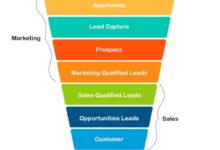
Lead generation sits at the top of the sales funnel, acting as the entry point for prospects. It bridges the gap between awareness and consideration. Effective lead generation ensures a consistent pipeline for your sales team, reducing downtime and increasing conversion rates.
“A business without a lead generation system is like a car without fuel—it might look great, but it won’t go anywhere.” — Dan Kennedy, Marketing Strategist
7 Powerful Lead Generation Strategies That Work in 2024
With digital landscapes evolving rapidly, relying on outdated tactics won’t cut it. Here are seven proven lead generation strategies that deliver real results in today’s competitive environment.
1. Content Marketing with High-Value Offers
Content is still king, but value is the crown. Offering free, high-quality resources like ebooks, templates, or industry reports in exchange for contact information is a timeless lead generation tactic. The key is relevance—your content must solve a real problem for your audience.
- Create pillar content around common pain points.
- Use gated content to capture leads (e.g., whitepapers, toolkits).
- Optimize landing pages for conversion with clear CTAs.
For example, HubSpot’s free marketing resources have helped them generate millions of leads by offering actionable insights in exchange for email sign-ups.
2. Search Engine Optimization (SEO) for Organic Lead Capture
SEO isn’t just about ranking—it’s about visibility to the right audience. When people search for solutions you provide, you want your website to appear at the top. Optimizing for long-tail keywords related to your niche increases the chances of attracting qualified leads.
- Target keywords like “best CRM for small business” instead of generic terms.
- Optimize meta descriptions, headers, and image alt texts.
- Build backlinks from authoritative sites to boost domain credibility.
According to Backlinko’s research, pages on the first page of Google receive over 90% of all organic traffic, making SEO a critical lead generation channel.
3. Social Media Lead Generation Campaigns
Social platforms like LinkedIn, Facebook, and Instagram offer powerful tools for lead generation. From lead ads to direct messaging, these platforms allow you to target specific demographics, interests, and behaviors.
- Use Facebook Lead Ads to collect info without leaving the app.
- Leverage LinkedIn InMail for B2B outreach.
- Host live Q&A sessions to engage prospects in real time.
LinkedIn reports that lead generation forms on their platform have reduced friction for users, increasing conversion rates by up to 30%.
4. Email Marketing with Automated Funnels
Email remains one of the highest ROI channels for lead generation. By building a list of subscribers and nurturing them with automated workflows, you can guide leads through the buyer’s journey efficiently.
- Offer a lead magnet (e.g., free checklist) in exchange for email sign-ups.
- Use segmentation to send personalized content.
- Set up drip campaigns to educate and convert over time.
Research from Campaign Monitor shows that segmented email campaigns generate 30% more opens and 50% higher click-through rates.
5. Webinars and Virtual Events
Webinars are a goldmine for lead generation. They position you as an expert while allowing direct interaction with prospects. Attendees must register, giving you their contact details and intent signals.
- Choose topics that address urgent industry challenges.
- Promote via email, social media, and paid ads.
- Follow up with attendees using personalized thank-you emails.
GoToWebinar found that 73% of B2B marketers consider webinars the best way to generate high-quality leads.
6. Paid Advertising with Precision Targeting
While organic growth is ideal, paid ads can accelerate your lead generation efforts. Platforms like Google Ads and Meta Ads allow hyper-targeted campaigns based on user behavior, location, and interests.
- Use Google Search Ads for high-intent keywords.
- Retarget website visitors with display or social ads.
- Test different ad creatives and landing pages for optimization.
According to WordStream, the average conversion rate for Google Search Ads across industries is 3.75%, making it one of the most effective paid lead generation tools.
7. Referral and Partner Marketing
People trust recommendations from others. Leveraging existing customers or strategic partners to refer new leads can dramatically boost your acquisition efforts. Referral programs incentivize sharing, turning satisfied clients into brand advocates.
- Offer discounts or rewards for successful referrals.
- Partner with complementary businesses for co-marketing.
- Track referrals using unique codes or UTM parameters.
Dropbox famously grew its user base by 60% in just 15 months using a referral program, proving that word-of-mouth, when systematized, is a powerful lead generation engine.
Essential Tools for Effective Lead Generation
No strategy works without the right tools. From CRM systems to landing page builders, technology plays a crucial role in capturing, managing, and converting leads.
Customer Relationship Management (CRM) Systems
A CRM like Salesforce or HubSpot helps you organize leads, track interactions, and automate follow-ups. It ensures no lead falls through the cracks and provides valuable insights into customer behavior.
- Centralize all lead data in one place.
- Automate tasks like email follow-ups and reminders.
- Integrate with marketing tools for seamless workflows.
Landing Page and Form Builders
Tools like Unbounce, Leadpages, or Instapage allow you to create high-converting landing pages without coding. Paired with form builders like Typeform or JotForm, they make it easy to capture lead information efficiently.
- A/B test different page designs to improve conversion rates.
- Embed forms directly into blogs or websites.
- Connect forms to your CRM or email marketing platform.
Analytics and Tracking Software
Understanding how leads behave on your site is critical. Google Analytics, Hotjar, and Microsoft Clarity help you see where users click, how long they stay, and where they drop off—enabling data-driven improvements to your lead generation process.
- Track conversion rates from ad to form submission.
- Identify high-performing content that generates the most leads.
- Use heatmaps to optimize page layout and CTA placement.
How to Qualify and Nurture Leads Effectively
Not all leads are ready to buy. Some need education, others need reassurance. This is where lead qualification and nurturing come in.
Understanding MQL vs. SQL
Marketing-Qualified Leads (MQLs) have engaged with your content but may not be sales-ready. Sales-Qualified Leads (SQLs) have shown buying intent, such as requesting a demo or pricing info. Distinguishing between them ensures your sales team focuses on the hottest prospects.
- MQLs are scored based on engagement (e.g., downloads, page visits).
- SQLs are validated through direct inquiry or behavior (e.g., demo request).
- Use lead scoring models to automate qualification.
Lead Nurturing Through Email and Automation
Nurturing builds trust over time. Instead of pushing for a sale immediately, provide value through educational content, case studies, and testimonials. Marketing automation tools can deliver the right message at the right time.
- Send a welcome series to new subscribers.
- Share customer success stories to build credibility.
- Use behavioral triggers (e.g., abandoned form) to re-engage.
“People don’t buy products; they buy better versions of themselves.” — Seth Godin
Measuring the Success of Your Lead Generation Campaigns
What gets measured gets managed. To optimize your lead generation efforts, you need to track key performance indicators (KPIs) that reflect both volume and quality.
Key Metrics to Track
Monitoring the right metrics helps you understand what’s working and where to improve. Focus on these core KPIs:
- Conversion Rate: Percentage of visitors who become leads.
- Cost Per Lead (CPL): How much you spend to acquire one lead.
- Lead-to-Customer Rate: How many leads turn into paying customers.
- Return on Ad Spend (ROAS): Revenue generated per dollar spent on ads.
Using A/B Testing to Optimize Results
Small changes can have big impacts. A/B testing allows you to compare two versions of a landing page, email, or ad to see which performs better. Test headlines, images, CTA buttons, and form lengths to continuously improve conversion rates.
- Test one variable at a time for accurate results.
- Run tests until you achieve statistical significance.
- Apply winning variations across your campaigns.
Common Lead Generation Mistakes to Avoid
Even experienced marketers make mistakes. Avoiding these common pitfalls can save time, money, and missed opportunities.
Targeting the Wrong Audience
If your message isn’t reaching the right people, no amount of content or ads will help. Define your ideal customer profile (ICP) clearly before launching any campaign. Use buyer personas to guide your targeting.
- Conduct market research to understand customer needs.
- Analyze existing customer data to identify patterns.
- Avoid broad targeting that wastes budget on unqualified leads.
Ignoring Lead Follow-Up
Many businesses generate leads but fail to follow up promptly. Research shows that leads contacted within 5 minutes are 8x more likely to convert. Automate initial responses and ensure your sales team has a clear follow-up process.
- Set up instant email autoresponders.
- Use CRM alerts to notify sales reps of new leads.
- Personalize follow-up messages based on lead behavior.
Overlooking Mobile Optimization
Over 60% of web traffic comes from mobile devices. If your landing pages, forms, or emails aren’t mobile-friendly, you’re losing leads. Test all touchpoints on various screen sizes to ensure a smooth experience.
- Use responsive design for all web assets.
- Keep forms short and easy to fill on mobile.
- Ensure fast loading times to reduce bounce rates.
Future Trends in Lead Generation
The world of lead generation is evolving with technology. Staying ahead of trends ensures your strategies remain effective and competitive.
Artificial Intelligence and Predictive Lead Scoring
AI is transforming how we identify and prioritize leads. Predictive lead scoring uses machine learning to analyze historical data and predict which leads are most likely to convert, allowing for smarter resource allocation.
- AI tools can analyze thousands of data points in seconds.
- Predictive models improve accuracy over time.
- Platforms like Salesforce Einstein and HubSpot AI offer built-in predictive features.
Interactive Content for Higher Engagement
Quizzes, calculators, and interactive videos are becoming popular for lead generation. They engage users more deeply than static content and provide personalized results, increasing the likelihood of conversion.
- Use a mortgage calculator for real estate leads.
- Create a fitness quiz for health brands.
- Offer instant results in exchange for contact info.
Privacy-First Lead Generation
With increasing data regulations (like GDPR and CCPA), transparency is key. Users want to know how their data will be used. Building trust through clear privacy policies and opt-in mechanisms is essential for sustainable lead generation.
- Be transparent about data collection practices.
- Offer value in exchange for consent.
- Respect user preferences and allow easy opt-outs.
What is lead generation?
Lead generation is the process of attracting and converting prospects into potential customers by collecting their contact information and nurturing them through the sales funnel.
What are the best lead generation strategies?
The most effective strategies include content marketing, SEO, social media campaigns, email automation, webinars, paid advertising, and referral programs—especially when tailored to your audience.
How do I generate high-quality leads?
Focus on targeting the right audience, offering valuable content, using lead scoring to qualify prospects, and nurturing them with personalized communication based on their behavior.
What tools are essential for lead generation?
Key tools include CRM systems (e.g., HubSpot), landing page builders (e.g., Unbounce), email marketing platforms (e.g., Mailchimp), and analytics tools (e.g., Google Analytics).
How do I measure lead generation success?
Track metrics like conversion rate, cost per lead, lead-to-customer rate, and ROI. Use A/B testing and analytics to continuously optimize your campaigns.
Lead generation is not a one-time task—it’s an ongoing process that fuels business growth. By combining proven strategies with the right tools and metrics, you can build a reliable pipeline of high-quality leads. Whether you’re a startup or an established brand, focusing on value, relevance, and trust will set you apart. Start implementing these tactics today, and watch your sales soar.
Further Reading:
