Ever wondered what fuels the engine of every successful business? It’s not just products or services—it’s leads. Understanding the leads definition isn’t just marketing jargon; it’s the foundation of growth, sales, and long-term customer relationships. Let’s dive deep into what leads really mean and why they matter.

Leads Definition: What Exactly Is a Lead?

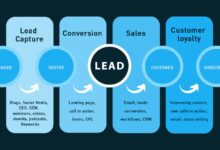
At its core, the leads definition refers to any individual or organization that has shown interest in your product or service. This interest can come in many forms—filling out a contact form, subscribing to a newsletter, downloading a free guide, or even engaging with your social media content. A lead is not yet a customer, but they are a potential one.
Why the Leads Definition Matters in Business
Knowing the precise leads definition helps businesses identify who is worth pursuing. Without a clear understanding, companies risk wasting time and resources on unqualified prospects. A well-defined lead allows marketing and sales teams to focus their efforts on individuals who are more likely to convert.
- Leads are the starting point of the sales funnel.
- They help measure marketing campaign effectiveness.
- They enable targeted follow-up strategies.
“A lead is not just a name and email—it’s a conversation waiting to happen.” — HubSpot
Leads vs. Prospects: Understanding the Difference
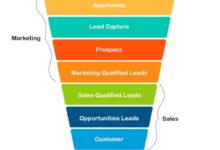
While often used interchangeably, leads and prospects are not the same. A lead is anyone who has expressed initial interest. A prospect, however, is a lead that has been qualified—meaning they meet specific criteria such as budget, need, authority, and timeline (BANT).
- Lead: Unqualified interest (e.g., someone who downloads an eBook).
- Prospect: Qualified lead ready for sales engagement (e.g., a decision-maker requesting a demo).
Understanding this distinction is crucial for aligning marketing and sales teams. For more on this, check out HubSpot’s guide on leads vs. prospects.
Types of Leads: Breaking Down the Leads Definition
The leads definition expands when we consider the different types of leads businesses encounter. Not all leads are created equal, and categorizing them helps in designing better nurturing strategies.
Marketing Qualified Leads (MQLs)
Marketing Qualified Leads (MQLs) are individuals who have engaged with your marketing content and meet certain behavioral or demographic criteria. For example, someone who has visited your pricing page multiple times or attended a webinar.
- Engaged with content (e.g., blog posts, videos).
- Downloaded gated resources (e.g., whitepapers).
- Scored high on lead scoring models.
MQLs are not yet ready to buy but are showing signs of interest. They require nurturing before being passed to the sales team.
Sales Qualified Leads (SQLs)
Sales Qualified Leads (SQLs) are MQLs that have been further vetted and deemed ready for direct sales contact. These leads have expressed a clear intent to purchase, such as requesting a demo or asking for a quote.
- Expressed buying intent (e.g., “Can I get a price list?”).
- Fit the ideal customer profile (ICP).
- Have budget and decision-making authority.
SQLs are the golden ticket in the sales process. According to Salesforce, SQLs are 3x more likely to convert than unqualified leads.
Product Qualified Leads (PQLs)
Product Qualified Leads (PQLs) are users who have experienced your product firsthand—often through a free trial or freemium model—and demonstrated behaviors indicating readiness to upgrade.
- Used key features of the product.
- Reached usage thresholds (e.g., number of logins, feature adoption).
- Triggered in-app prompts (e.g., “Upgrade to unlock more features”).
PQLs are especially powerful in SaaS businesses. Companies like Slack and Dropbox rely heavily on PQLs to drive conversions. Learn more about PQLs from Paddle’s guide.
How Leads Are Generated: The Engine Behind the Leads Definition
Understanding the leads definition is only half the battle. The real challenge lies in generating high-quality leads consistently. This requires a mix of strategies, tools, and channels.
Content Marketing and Lead Generation
Content marketing remains one of the most effective ways to attract and convert leads. By offering valuable, educational content, businesses can capture contact information in exchange for resources.
- E-books, whitepapers, and guides (gated content).
- Webinars and live training sessions.
- Free tools or calculators (e.g., ROI calculator).
For example, a financial advisory firm might offer a free retirement planning guide in exchange for an email address. This not only generates a lead but also positions the brand as an authority.
Social Media and Paid Advertising
Social media platforms like LinkedIn, Facebook, and Instagram offer powerful lead generation tools. Paid ads can target specific demographics, interests, and behaviors to attract potential leads.
- Lead ads on Facebook and LinkedIn (pre-filled forms).
- Sponsored content that drives traffic to landing pages.
- Retargeting campaigns to re-engage website visitors.
According to Hootsuite’s Digital Trends Report, over 70% of B2B leads come from LinkedIn alone.
Email Marketing and Lead Nurturing
Email marketing is not just about sending messages—it’s about building relationships. Automated email sequences can nurture leads over time, guiding them from awareness to decision.
- Welcome series for new subscribers.
- Drip campaigns based on user behavior.
- Personalized recommendations and offers.
Tools like Mailchimp and ActiveCampaign allow businesses to segment leads and deliver targeted content. A well-crafted email sequence can increase conversion rates by up to 50%, as reported by Campaign Monitor.
Lead Scoring: Prioritizing Based on the Leads Definition
Not all leads are equally valuable. Lead scoring is a methodology used to rank leads based on their perceived value. This helps sales teams focus on the most promising opportunities.
What Is Lead Scoring?
Lead scoring assigns numerical values to leads based on demographic and behavioral data. Factors include job title, company size, website visits, content downloads, and email engagement.
- Demographic score: How well the lead fits your ideal customer profile.
- Behavioral score: How the lead interacts with your brand.
- Total score: Sum of both, used to determine sales readiness.
For example, a CTO from a Fortune 500 company who downloads a pricing sheet and attends a demo gets a high score.
Benefits of Lead Scoring
Implementing lead scoring brings numerous advantages:
leads definition – Leads definition menjadi aspek penting yang dibahas di sini.
- Improves sales and marketing alignment.
- Reduces time spent on unqualified leads.
- Increases conversion rates and revenue.
“Companies that use lead scoring see a 77% increase in lead generation ROI.” — Marketo
How to Implement Lead Scoring
Start by defining your ideal customer profile (ICP). Then, identify key behaviors that indicate buying intent. Use a CRM or marketing automation tool to assign points and automate follow-ups.
- Set thresholds for MQL and SQL status.
- Regularly review and adjust scoring criteria.
- Integrate with your CRM for seamless handoff to sales.
Tools like HubSpot and Salesforce offer built-in lead scoring features. Learn more from Marketo’s lead scoring guide.
Lead Nurturing: Turning Interest into Action
The leads definition evolves when we consider that most leads are not ready to buy immediately. Lead nurturing is the process of building relationships with prospects over time, guiding them toward a purchase decision.
Why Lead Nurturing Matters
According to MarketingProfs, nurtured leads make 47% larger purchases than non-nurtured leads. Nurturing keeps your brand top-of-mind and builds trust.
- Addresses customer pain points.
- Provides value at every stage of the buyer’s journey.
- Reduces churn and increases loyalty.
Strategies for Effective Lead Nurturing
Successful lead nurturing relies on personalization, timing, and relevance.
- Segmentation: Group leads by industry, behavior, or lifecycle stage.
- Automated Workflows: Use email sequences triggered by actions (e.g., downloading a guide).
- Multi-Channel Engagement: Combine email, social media, and retargeting ads.
For example, a SaaS company might send a series of onboarding emails to new trial users, followed by case studies and customer testimonials.
Measuring Lead Nurturing Success
Track key performance indicators (KPIs) to evaluate your nurturing efforts:
- Email open and click-through rates.
- Conversion rates from MQL to SQL.
- Time to close for nurtured vs. non-nurtured leads.
Tools like Google Analytics and CRM dashboards provide insights into campaign effectiveness.
Common Challenges in Managing Leads
Despite the clear benefits of understanding the leads definition, many businesses struggle with lead management. Recognizing these challenges is the first step to overcoming them.
Poor Lead Quality
One of the biggest issues is generating low-quality leads. This often happens when lead magnets are too generic or targeting is too broad.
- Solution: Refine your ICP and use targeted content.
- Use lead qualification forms with smart fields.
- Implement lead scoring to filter out unqualified leads.
Lack of Sales and Marketing Alignment
When marketing and sales teams don’t agree on what constitutes a qualified lead, leads fall through the cracks.
- Solution: Establish a Service Level Agreement (SLA) between teams.
- Hold regular alignment meetings.
- Use shared CRM platforms for transparency.
According to CMO.com, aligned companies achieve 36% higher customer retention and 38% higher sales win rates.
Inadequate Follow-Up
Many leads go cold because of delayed or inconsistent follow-up. Research shows that the odds of qualifying a lead drop by 80% after the first hour.
- Solution: Automate initial responses with chatbots or email.
- Set up immediate alerts for high-intent actions.
- Train sales reps on timely engagement.
The Future of Leads: Trends Shaping the Leads Definition
The leads definition is evolving with technology and consumer behavior. Staying ahead of trends ensures your lead generation strategies remain effective.
AI and Predictive Lead Scoring
Artificial Intelligence (AI) is revolutionizing lead scoring by analyzing vast datasets to predict which leads are most likely to convert.
- AI models learn from historical data to identify patterns.
- Predictive scoring reduces human bias.
- Tools like Salesforce Einstein and HubSpot AI offer predictive insights.
According to Gartner, by 2025, 60% of B2B companies will use AI-driven lead scoring.
Privacy-First Lead Generation
With increasing data privacy regulations (GDPR, CCPA), businesses must adapt how they collect and use lead data.
- Focus on first-party data collection.
- Be transparent about data usage.
- Offer value in exchange for consent.
Apple’s iOS updates and Google’s cookie deprecation are pushing marketers toward consent-based strategies.
Conversational Marketing and Chatbots
Conversational marketing uses real-time interactions (chatbots, live chat) to capture and qualify leads instantly.
- Engage visitors the moment they land on your site.
- Qualify leads through automated Q&A.
- Route high-intent leads to sales reps immediately.
Drift and Intercom are leading platforms in this space. Learn more from Drift’s Conversational Marketing Guide.
Leads Definition in Different Industries
The leads definition can vary significantly across industries. What qualifies as a lead in one sector may not in another.
B2B vs. B2C Leads
In B2B, leads often involve multiple stakeholders and longer sales cycles. A lead might be a decision-maker in a company who requests a product demo.
- B2B leads are typically higher in value but fewer in volume.
- Lead nurturing is longer and more relationship-driven.
In B2C, leads are often individual consumers who show interest through purchases, sign-ups, or app downloads.
leads definition – Leads definition menjadi aspek penting yang dibahas di sini.
- B2C leads are higher in volume but lower in average value.
- Conversion cycles are shorter and more transactional.
For a deeper dive, see Salesforce’s comparison of B2B and B2C marketing.
Leads in Real Estate, E-commerce, and SaaS
Each industry has unique lead characteristics:
- Real Estate: Leads are homebuyers or renters who inquire about properties.
- E-commerce: Leads include email subscribers or cart abandoners.
- SaaS: Leads are often free trial users or feature explorers.
Understanding industry-specific lead behaviors helps tailor acquisition and nurturing strategies.
Best Practices for Maximizing Lead Conversion
Now that we’ve explored the leads definition in depth, let’s look at proven strategies to convert more leads into customers.
Create High-Value Lead Magnets
A lead magnet is an incentive offered in exchange for contact information. The more valuable it is, the higher the conversion rate.
- Offer templates, checklists, or exclusive content.
- Solve a specific, urgent problem.
- Ensure it aligns with your audience’s needs.
For example, a marketing agency might offer a “30-Day SEO Checklist” to attract small business owners.
Optimize Landing Pages for Conversions
Landing pages are where leads are captured. A poorly designed page can kill even the best campaigns.
- Use clear, benefit-driven headlines.
- Minimize form fields (only ask for essential info).
- Include social proof (testimonials, trust badges).
Tools like Unbounce and Instapage offer A/B testing to improve performance.
Use CRM and Marketing Automation
Customer Relationship Management (CRM) systems and marketing automation tools streamline lead management.
- Track lead interactions across channels.
- Automate follow-ups and nurturing sequences.
- Generate reports on lead performance.
Popular tools include HubSpot, Salesforce, and Zoho CRM. Explore Capterra’s CRM comparison to find the right fit.
What is the basic leads definition?
The basic leads definition is any person or organization that has shown interest in your product or service, typically by providing contact information. This interest marks the beginning of a potential sales relationship.
What are the different types of leads?
The main types of leads include Marketing Qualified Leads (MQLs), Sales Qualified Leads (SQLs), and Product Qualified Leads (PQLs). Each type represents a different stage of readiness to engage with sales or make a purchase.
How do you generate high-quality leads?
High-quality leads are generated through targeted content marketing, social media engagement, paid advertising, and lead nurturing. Using lead scoring and CRM tools also helps identify and prioritize the best prospects.
Why is lead nurturing important?
Lead nurturing builds trust and keeps your brand top-of-mind. Nurtured leads are more likely to convert and tend to have higher customer lifetime value compared to non-nurtured leads.
How is AI changing the leads definition?
AI is enhancing lead scoring, personalization, and real-time engagement. Predictive analytics helps identify high-intent leads faster, while chatbots provide instant qualification and support, reshaping how businesses define and manage leads.
Understanding the leads definition is more than just knowing a term—it’s about mastering the lifecycle of customer acquisition. From identifying what a lead is to generating, scoring, and nurturing them, every step impacts your bottom line. As technology evolves, so does the way we define and engage with leads. By adopting best practices and staying ahead of trends, businesses can turn interest into revenue more effectively than ever before.
leads definition – Leads definition menjadi aspek penting yang dibahas di sini.
Further Reading:
