Ever wondered why some marketing campaigns convert like crazy while others flop? The secret might not be in the offer—but in the leads density. This underrated metric could be the game-changer your strategy needs.


What Is Leads Density and Why It Matters

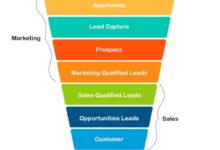
Leads density is a crucial performance metric that measures the concentration of qualified leads within a given marketing or sales funnel. Unlike traditional lead volume, which simply counts the number of prospects, leads density evaluates the quality and relevance of those leads in relation to your target audience and conversion goals. It’s not just about how many leads you generate—it’s about how many of them actually matter.
Defining Leads Density in Modern Marketing
Leads density refers to the proportion of high-intent, qualified leads in your total lead pool. A high leads density means a larger percentage of your leads are likely to convert, while low density indicates a flood of unqualified traffic. This concept is particularly valuable in performance marketing, where ROI depends heavily on lead quality.
- Leads density = (Number of qualified leads / Total leads) × 100
- It’s a ratio, not a raw number—making it scalable across campaigns
- Used to benchmark funnel efficiency across channels
For example, a campaign generating 1,000 leads with 200 qualified ones has a leads density of 20%. Another campaign with 500 leads but 150 qualified ones boasts a 30% density—making it more efficient despite lower volume.
Why Leads Density Outperforms Raw Lead Count
Many businesses celebrate high lead volume without questioning quality. But if 80% of those leads never engage or convert, the effort is wasted. Leads density shifts the focus from quantity to quality, helping marketers optimize spend and improve conversion rates.
“In digital marketing, more isn’t always better. What matters is more of the right people.” — Neil Patel, Marketing Expert
According to a HubSpot report, companies that prioritize lead quality over quantity see up to 3x higher conversion rates. This underscores the importance of measuring leads density as a core KPI.
The Science Behind High Leads Density Funnels
Creating a high leads density funnel isn’t guesswork—it’s rooted in behavioral psychology, data analytics, and strategic targeting. The most effective funnels are designed to attract, qualify, and nurture only the most relevant prospects, filtering out noise early in the journey.
Behavioral Targeting and Intent Signals
High leads density starts with understanding user intent. Tools like Google Analytics and Hotjar help identify behavioral patterns—such as time on page, scroll depth, and click paths—that signal genuine interest.
- Users who spend over 2 minutes on a pricing page show higher intent
- Repeated visits to a product demo page indicate strong interest
- Form abandonment after entering email may suggest hesitation or mismatch
By analyzing these signals, marketers can assign lead scores and improve leads density by focusing on high-intent segments.
Data-Driven Segmentation for Precision Targeting
Segmentation is key to boosting leads density. Instead of treating all leads the same, advanced marketers use demographic, firmographic, and behavioral data to create hyper-targeted campaigns.
For instance, a SaaS company might segment leads by:
- Industry (e.g., healthcare vs. finance)
- Company size (e.g., SMBs vs. enterprises)
- Technology stack (e.g., using Salesforce vs. HubSpot)
This allows for personalized messaging that resonates deeper, increasing the likelihood of conversion and improving overall leads density.
How Leads Density Impacts Conversion Rates
There’s a direct correlation between leads density and conversion rates. The higher the density, the more efficient your sales process becomes. This isn’t just theoretical—real-world data supports this link.
Case Study: E-commerce Brand Boosts Sales by 140%
An online fitness apparel brand struggled with low conversion despite high traffic. After auditing their leads density, they discovered only 12% of leads were truly qualified. By refining their ad targeting and adding a pre-qualification quiz, they increased leads density to 38%—and conversions jumped by 140% within three months.
Their strategy included:
- Using Facebook Lookalike Audiences based on past buyers
- Adding a 3-question quiz to filter serious buyers
- Retargeting only users who completed the quiz
This case, documented in a Neil Patel blog post, shows how optimizing leads density directly impacts the bottom line.
The Sales Team’s Perspective on Lead Quality
Sales teams often complain about “junk leads” from marketing. This friction stems from low leads density. When sales reps spend time chasing unqualified prospects, morale drops and productivity suffers.
A Salesforce survey found that 64% of sales reps believe less than half the leads they receive are qualified. Improving leads density ensures that only high-potential leads reach the sales team, streamlining the process and boosting close rates.
“When our leads density improved, our sales cycle shortened by 22%. That’s revenue acceleration.” — Sales Director, B2B Tech Firm
7 Proven Strategies to Increase Leads Density
Boosting leads density isn’t about generating more leads—it’s about attracting better ones. Here are seven data-backed strategies to help you do just that.
1. Implement Lead Scoring Models
Lead scoring assigns numerical values to prospects based on their behavior and profile. High scores indicate higher intent and better fit, allowing you to prioritize follow-up.
- Positive points for actions like downloading a whitepaper (+10), attending a webinar (+25), or visiting pricing page (+15)
- Negative points for inactivity or mismatched job titles (-5)
- Automate scoring using CRM tools like HubSpot or Marketo
This ensures only high-scoring leads enter your sales pipeline, dramatically improving leads density.
2. Use Pre-Qualification Forms and Quizzes
Instead of a generic contact form, use interactive tools like quizzes or assessments to filter leads. For example, a financial advisor might ask, “What’s your investment goal?” with options like “Retire early” or “Buy a home.”
Only users who select relevant goals proceed to the next step. This self-qualification process increases leads density by ensuring alignment between the lead and your offering.
- Quizzes increase engagement and data collection
- Reduces unqualified submissions by up to 60% (based on Intercom case studies)
- Provides insights for personalization
3. Optimize Landing Pages for Intent Matching
Your landing page must align with the user’s search intent. If someone clicks on an ad for “CRM for small businesses,” your page should immediately confirm they’ve found the right solution.
Elements to optimize:
- Headline that mirrors the ad copy
- Clear value proposition in the first 5 seconds
- Relevant testimonials and trust signals
- Single, focused CTA
A/B testing by Unbounce showed that intent-matched landing pages increased conversion rates by 35%, directly boosting leads density.
Tools and Technologies to Measure Leads Density
You can’t improve what you don’t measure. Fortunately, several tools can help you track and analyze leads density across your marketing efforts.
CRM Systems with Built-In Analytics
Modern CRM platforms like Salesforce and Zoho CRM offer dashboards that track lead sources, conversion rates, and qualification status. By segmenting leads by source and behavior, you can calculate leads density for each channel.
- Track lead-to-customer conversion rate by campaign
- Identify high-density channels (e.g., LinkedIn ads vs. Google Ads)
- Automate lead tagging based on engagement
These insights allow you to double down on what works and cut underperforming efforts.
Marketing Automation Platforms
Tools like ActiveCampaign and Klaviyo enable behavior-based workflows that nurture only engaged leads. For example, if a lead downloads a guide but doesn’t open follow-up emails, they’re automatically deprioritized.
This dynamic filtering improves leads density by ensuring only active, interested prospects move forward.
“Automation doesn’t just save time—it sharpens your funnel.” — Marketing Automation Expert
Common Mistakes That Kill Leads Density
Even well-intentioned campaigns can suffer from low leads density due to common pitfalls. Recognizing these mistakes is the first step to fixing them.
Over-Reliance on Broad Targeting
Many marketers cast too wide a net, hoping to capture as many leads as possible. But broad Facebook or Google Ads targeting often attracts irrelevant audiences. For example, targeting “marketing tools” instead of “email marketing for e-commerce” brings in too much noise.
Solution: Use long-tail keywords and narrow audience definitions to attract high-intent users.
Ignoring Lead Nurturing Sequences
Not all leads are ready to buy immediately. Without a nurturing sequence, even qualified leads can go cold. Automated email workflows that provide value over time keep leads engaged and help identify true interest.
- Send educational content based on lead behavior
- Use re-engagement campaigns for inactive leads
- Score leads based on email opens and clicks
A study by MarketingProfs found that nurtured leads make 47% larger purchases than non-nurtured ones, proving the value of sustained engagement.
Future Trends in Leads Density Optimization
As AI and machine learning evolve, leads density measurement and optimization are becoming more sophisticated. The future belongs to predictive analytics and real-time qualification.
AI-Powered Lead Scoring and Prediction
AI tools can now analyze vast datasets to predict which leads are most likely to convert. Platforms like InsideSales and People.ai use machine learning to identify patterns in successful conversions and apply them to new leads.
- Predictive scoring improves leads density by identifying high-potential leads early
- Reduces manual effort in lead qualification
- Adapts in real-time as market conditions change
This shift from reactive to proactive lead management is revolutionizing how businesses approach leads density.
The Role of Zero-Party Data in Quality Lead Capture
Zero-party data—information customers willingly share—is becoming a gold standard for lead quality. Unlike third-party data, it’s accurate, consented, and highly relevant.
Brands are using interactive experiences like preference centers and quizzes to collect zero-party data, which directly improves leads density by ensuring leads self-identify their needs.
“The future of marketing isn’t about tracking people—it’s about people choosing to be known.” — Gartner Research
As privacy regulations tighten and tracking cookies decline, zero-party data will be essential for maintaining high leads density.
What is leads density?
Leads density is the percentage of qualified, high-intent leads within your total lead pool. It measures the efficiency of your marketing funnel by focusing on lead quality rather than just quantity.
How do you calculate leads density?
Leads density is calculated as (Number of qualified leads / Total number of leads) × 100. For example, if you generate 500 leads and 150 are qualified, your leads density is 30%.
Why is leads density more important than lead volume?
High lead volume means little if most leads are unqualified. Leads density ensures your marketing efforts attract the right audience, improving conversion rates, reducing sales friction, and maximizing ROI.
What tools can help improve leads density?
CRM systems (e.g., Salesforce, HubSpot), marketing automation platforms (e.g., ActiveCampaign, Klaviyo), and AI-powered lead scoring tools (e.g., People.ai) are essential for measuring and optimizing leads density.
Can leads density be improved without increasing ad spend?
Absolutely. By refining targeting, using pre-qualification tools, optimizing landing pages, and nurturing leads effectively, you can boost leads density without spending more on ads—often reducing cost per acquisition.
Leads density is not just a metric—it’s a mindset shift from chasing volume to cultivating value. By focusing on the quality of leads, businesses can create more efficient funnels, improve sales alignment, and drive sustainable growth. From AI-powered scoring to zero-party data strategies, the tools and techniques to boost leads density are more accessible than ever. The future of marketing belongs to those who prioritize relevance over reach, and leads density is the compass that guides them there.
Further Reading:
