Want to grow your business fast? Then you need one thing above all: leads. Without leads, even the best product or service stays invisible. In this guide, we’ll break down everything you need to know about generating, nurturing, and converting high-quality leads—using proven strategies that actually work.


What Are Leads and Why They Matter

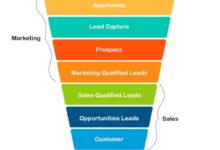
At the heart of every successful business is a steady stream of leads. But what exactly are leads, and why do they play such a critical role in growth? A lead is any individual or organization that has shown interest in your product or service. This interest could come from filling out a form, subscribing to a newsletter, downloading a guide, or engaging with your content.
Defining Leads in Modern Marketing
In today’s digital-first world, leads are more than just names and emails—they represent potential relationships. According to HubSpot, companies that prioritize lead generation see a 133% higher year-over-year growth than those that don’t (HubSpot, 2023). This shows how vital it is to understand what a lead truly is: not just a data point, but a person with a problem you can solve.
- A lead is someone who has interacted with your brand in a meaningful way.
- Leads can come from various channels: social media, search engines, referrals, or events.
- Not all leads are equal—quality matters more than quantity.
The Evolution of Lead Generation
Lead generation has evolved dramatically over the past two decades. In the early 2000s, cold calling and print ads dominated. Today, inbound marketing, content marketing, and AI-driven automation have taken center stage. Platforms like LinkedIn and Facebook now allow businesses to target specific demographics with laser precision, making it easier than ever to attract qualified leads.
As Neil Patel, a leading digital marketing expert, puts it:
“The future of leads isn’t about chasing people—it’s about attracting them with value.”
This shift from interruption to invitation has redefined how businesses approach lead generation.
Types of Leads: Understanding the Buyer Journey
Not all leads are created equal. To build an effective strategy, you must understand the different types of leads and where they are in the buyer journey. Categorizing leads helps you tailor your messaging, nurture them appropriately, and increase conversion rates.
Marketing Qualified Leads (MQLs)
Marketing Qualified Leads (MQLs) are individuals who have engaged with your marketing efforts but aren’t yet ready to buy. They might have downloaded an eBook, attended a webinar, or clicked through a series of blog posts. These leads show interest but require further nurturing before being passed to the sales team.
- MQLs respond to content offers like whitepapers or checklists.
- They are typically scored based on engagement level (e.g., page views, time on site).
- Automated email sequences are often used to move MQLs toward becoming sales-ready.
Sales Qualified Leads (SQLs)
Sales Qualified Leads (SQLs) are leads that marketing has vetted and passed to the sales team because they’ve shown clear buying intent. This could include requesting a demo, asking for pricing, or speaking directly with a sales representative.
According to Salesforce, companies with strong MQL-to-SQL alignment see up to 36% higher customer retention rates (Salesforce State of Sales Report). This highlights the importance of clear definitions and collaboration between marketing and sales teams.
Product Qualified Leads (PQLs)
Product Qualified Leads (PQLs) are a newer category, especially relevant for SaaS and freemium models. These are users who have experienced your product—often through a free trial or freemium version—and demonstrated behaviors that indicate they’re ready to upgrade.
- PQLs might have used key features, invited team members, or reached usage limits.
- They are highly valuable because they’ve already seen the product’s value firsthand.
- Tools like Mixpanel or Amplitude help track user behavior to identify PQLs automatically.
Top 7 Proven Strategies to Generate High-Quality Leads
Generating leads isn’t about randomness—it’s about strategy. The most successful businesses use a mix of proven tactics tailored to their audience. Below are seven powerful strategies that consistently deliver high-quality leads.
Create High-Value Lead Magnets
A lead magnet is a free resource offered in exchange for contact information. The key is to make it so valuable that your audience can’t say no. Examples include eBooks, templates, toolkits, webinars, and free trials.
- Focus on solving a specific pain point (e.g., “5-Step SEO Checklist for Beginners”).
- Keep it actionable and easy to consume.
- Use tools like Leadpages or ConvertKit to build high-converting landing pages.
For example, Backlinko by Brian Dean grew his email list by offering a free SEO guide that addressed real user struggles. This simple lead magnet helped him generate over 100,000 leads in under a year.
Optimize Landing Pages for Conversion
Your landing page is where visitors become leads—or leave forever. A well-optimized landing page removes distractions, highlights benefits, and makes the next step obvious.
- Use clear, benefit-driven headlines (e.g., “Get Your Free Marketing Plan Template”).
- Include social proof like testimonials or trust badges.
- Minimize form fields—only ask for essential information.
According to Unbounce, reducing form fields from four to three can increase conversions by up to 50%. Small tweaks can have massive impacts on your leads.
Leverage Content Marketing and SEO
Content marketing remains one of the most effective ways to attract organic leads. By creating valuable, search-optimized content, you position your brand as a trusted authority and draw in people actively looking for solutions.
- Target long-tail keywords like “how to generate B2B leads” to capture intent-rich traffic.
- Use blog posts, guides, and videos to answer common questions.
- Interlink content to keep users engaged and move them down the funnel.
Ahrefs reports that websites with blogs generate 67% more leads than those without. Consistency is key—publishing weekly high-quality content builds momentum over time.
Run Targeted Paid Advertising Campaigns
Paid ads can accelerate your lead generation by putting your offer in front of the right audience fast. Platforms like Google Ads, Facebook, and LinkedIn allow precise targeting based on demographics, interests, and behaviors.
- Use LinkedIn Ads for B2B lead generation with job title and company size targeting.
- Run Facebook lead ads with instant forms to reduce friction.
- Retarget website visitors with personalized offers to boost conversion.
For instance, a SaaS company running LinkedIn ads targeting IT managers saw a 40% increase in demo requests within three months. Paid campaigns work best when combined with strong creatives and clear CTAs.
Host Webinars and Virtual Events
Webinars are a powerful way to generate high-intent leads. They allow you to showcase expertise, build trust, and collect contact information from engaged participants.
- Promote webinars through email lists, social media, and partner channels.
- Offer exclusive bonuses for attendees (e.g., slides, templates).
- Follow up with a personalized email sequence to nurture leads.
GoToWebinar found that 20–40% of webinar registrants convert into qualified leads. That’s significantly higher than most other channels.
Use Social Media to Build Relationships
Social media isn’t just for brand awareness—it’s a lead generation powerhouse when used strategically. Platforms like LinkedIn, Instagram, and X (formerly Twitter) allow direct engagement with potential customers.
- Share valuable tips, case studies, and behind-the-scenes content.
- Engage in conversations and answer questions in comments or DMs.
- Use lead gen forms on Facebook and LinkedIn to capture info without leaving the platform.
Buffer increased their leads by 300% simply by shifting from promotional posts to educational content on Twitter. The lesson? Provide value first, and leads will follow.
Implement Chatbots and Live Chat
Many website visitors leave without converting because they have questions. Chatbots and live chat tools help capture these leads in real time.
- Use AI chatbots to answer FAQs and qualify leads 24/7.
- Trigger pop-ups based on behavior (e.g., exit-intent offers).
- Route high-intent leads to sales reps instantly.
Drift, a conversational marketing platform, reports that companies using chatbots see a 3x increase in lead conversion rates. Real-time engagement turns passive visitors into active leads.
Lead Scoring: How to Prioritize Your Leads
Not every lead deserves the same attention. Lead scoring is a system that assigns points to leads based on their behavior, demographics, and engagement level. This helps sales and marketing teams focus on the most promising prospects.
Behavioral vs. Demographic Scoring
Lead scoring typically combines two types of data:
- Behavioral scoring: Based on actions like visiting pricing pages, downloading content, or attending webinars.
- Demographic scoring: Based on job title, company size, industry, or location.
For example, a lead who works in marketing at a mid-sized tech company (demographic) and has visited your demo page three times (behavioral) would score higher than a student browsing casually.
Setting Thresholds for Sales Readiness
Once you’ve assigned scores, set thresholds to determine when a lead becomes sales-ready. For instance:
- 0–50 points: Nurture with content.
- 51–80 points: Send targeted offers.
- 81+ points: Pass to sales for immediate follow-up.
This ensures that your sales team spends time on leads most likely to convert, improving efficiency and close rates.
Lead Nurturing: Turning Cold Leads into Hot Opportunities
Only 2% of leads convert on first contact. The rest need nurturing. Lead nurturing is the process of building relationships with prospects over time through personalized communication.
The Role of Email Drip Campaigns
Email drip campaigns are automated sequences that deliver relevant content based on a lead’s stage in the buyer journey.
- Send a welcome email immediately after signup.
- Follow up with educational content, case studies, and testimonials.
- Include clear CTAs to schedule a call or request a demo.
Mailchimp found that drip emails generate 18x more revenue than broadcast emails. Automation makes nurturing scalable and effective.
Personalization and Dynamic Content
Generic messages get ignored. Personalization increases open rates, click-throughs, and conversions.
- Use the lead’s name, company, or past behavior in emails.
- Segment your list based on interests or actions (e.g., webinar attendees vs. eBook downloaders).
- Use dynamic website content that changes based on the visitor’s profile.
According to Campaign Monitor, emails with personalized subject lines are 26% more likely to be opened. Small touches make a big difference in lead engagement.
Multi-Channel Nurturing
Don’t rely on email alone. Use a mix of channels to stay top-of-mind:
- Retarget leads with ads on social media or Google.
- Send personalized LinkedIn messages.
- Invite leads to exclusive events or Q&A sessions.
A study by Aberdeen Group found that companies using multi-channel nurturing see a 25% increase in engagement rates. Consistency across platforms builds trust and familiarity.
Measuring Lead Quality and Conversion Rates
Generating leads is only half the battle. You also need to measure how many turn into customers. Tracking key metrics helps you optimize your strategy and prove ROI.
Key Metrics to Track
Monitor these essential KPIs to evaluate your lead generation performance:
- Conversion Rate: Percentage of leads that become customers.
- Cost Per Lead (CPL): How much you spend to acquire one lead.
- Lead-to-Customer Ratio: How many leads it takes to close one sale.
- Time to Conversion: Average time from lead capture to sale.
For example, if your CPL is $50 but your customer lifetime value (LTV) is $1,000, your strategy is working. If CPL exceeds LTV, it’s time to reassess.
Using CRM and Analytics Tools
Customer Relationship Management (CRM) systems like HubSpot, Salesforce, or Zoho help track leads from first touch to close.
- Log all interactions (emails, calls, meetings).
- Visualize the sales pipeline and identify bottlenecks.
- Integrate with Google Analytics to track traffic sources.
With proper tracking, you can identify which channels generate the highest-quality leads and double down on what works.
Common Mistakes That Kill Lead Generation
Even smart marketers make mistakes that sabotage their lead generation efforts. Avoiding these pitfalls can dramatically improve your results.
Targeting the Wrong Audience
One of the biggest mistakes is trying to appeal to everyone. If your messaging isn’t tailored to a specific persona, your leads will be low-quality.
- Create detailed buyer personas based on research and data.
- Use language and examples that resonate with your ideal customer.
- Test different audience segments to see what converts best.
As Seth Godin said:
“Don’t find customers for your products—find products for your customers.”
Focus on solving real problems for real people.
Overlooking Lead Follow-Up
Many leads are lost simply because they’re not followed up with quickly enough. Research by InsideSales shows that the odds of qualifying a lead drop by 80% after the first hour.
- Set up automated email responses immediately after lead capture.
- Train sales reps to call within 5–10 minutes of form submission.
- Use CRM alerts to prevent leads from slipping through the cracks.
Poor Alignment Between Marketing and Sales
When marketing and sales teams don’t agree on what a qualified lead is, friction occurs. This leads to wasted effort and missed opportunities.
- Hold regular alignment meetings to define lead criteria.
- Share feedback from sales about lead quality.
- Use shared dashboards to track performance collaboratively.
Companies with strong sales and marketing alignment achieve 36% higher customer retention and 38% higher sales win rates (MarketingProfs).
Future Trends in Lead Generation
The world of leads is constantly evolving. Staying ahead of trends ensures your strategies remain effective and competitive.
AI and Predictive Lead Scoring
Artificial Intelligence is transforming how we identify and prioritize leads. AI-powered tools analyze vast amounts of data to predict which leads are most likely to convert.
- Tools like Salesforce Einstein or HubSpot’s AI features suggest next steps.
- Predictive scoring reduces guesswork and improves targeting.
- AI can also personalize content at scale based on user behavior.
By 2025, Gartner predicts that 80% of marketing interactions will be managed by AI. Early adopters will have a significant advantage.
Voice Search and Conversational Marketing
With the rise of smart speakers and voice assistants, optimizing for voice search is becoming crucial. People are increasingly using natural language queries like “best CRM for small business”—which affects SEO and lead capture.
- Optimize content for question-based keywords.
- Ensure your website is mobile-friendly and fast-loading.
- Use structured data to help search engines understand your content.
Conversational marketing—using chatbots and messaging apps—is also growing. It allows instant engagement, reducing friction in the lead process.
Privacy-First Lead Generation
With increasing regulations like GDPR and CCPA, businesses must be transparent about data collection. Consumers are more cautious about sharing information.
- Clearly explain how you’ll use their data.
- Offer value in exchange for consent.
- Invest in zero-party data (information willingly shared by users).
Trust is now a competitive advantage. Brands that respect privacy will earn more high-quality leads in the long run.
What are leads in marketing?
Leads in marketing refer to individuals or organizations that have shown interest in your product or service by providing contact information or engaging with your brand. They are potential customers who can be nurtured into paying clients through targeted communication and value delivery.
How can I generate more leads for my business?
You can generate more leads by creating high-value lead magnets, optimizing landing pages, leveraging content marketing and SEO, running targeted ads, hosting webinars, using social media strategically, and implementing chatbots for real-time engagement. Consistency and value are key.
What is the difference between MQL and SQL?
A Marketing Qualified Lead (MQL) has engaged with marketing content but isn’t ready to buy yet. A Sales Qualified Lead (SQL) has been vetted by marketing and shows clear buying intent, making them ready for direct sales outreach.
How do I improve lead conversion rates?
Improve conversion rates by following up quickly, personalizing communication, using lead scoring to prioritize prospects, nurturing leads with relevant content, aligning sales and marketing teams, and continuously optimizing your landing pages and CTAs.
Are paid leads worth it?
Paid leads can be highly effective when targeted correctly. While they cost more upfront than organic leads, they offer speed and precision. The key is to ensure your offer and landing page are optimized to maximize ROI from paid campaigns.
Generating high-quality leads isn’t about luck—it’s about strategy, consistency, and delivering real value. From understanding the different types of leads to implementing proven tactics like content marketing, lead scoring, and multi-channel nurturing, every step you take builds momentum. Avoid common pitfalls like poor follow-up or misaligned teams, and stay ahead of trends like AI and privacy-first marketing. Remember, the best leads come from solving real problems for real people. Focus on that, and your pipeline will thrive.
Further Reading:
