Ever wondered what ‘leads meaning’ really is? It’s more than just potential customers—it’s the lifeblood of sales and marketing. In this deep dive, we’ll unpack everything from definitions to strategies, so you can turn curiosity into conversion.

Understanding the Core Leads Meaning

The term leads meaning refers to individuals or organizations that have shown interest in your product or service. They are not yet customers, but they’ve taken a step—like filling out a form, downloading a guide, or subscribing to a newsletter—that signals intent. This initial interaction is the starting point of the customer journey.
What Exactly Is a Lead?
A lead is any person who has provided contact information and demonstrated some level of interest in what you offer. This could be as simple as signing up for a free trial or attending a webinar. According to Investopedia, a lead is “a potential sales contact.”
- Leads can come from various channels: social media, search engines, referrals, or events.
- They are categorized based on how they engage with your brand.
- Not all leads are equal—some are more likely to convert than others.
“A lead is the first whisper of opportunity in the sales process.” — Sales Expert Brian Tracy
Why Leads Matter in Business Growth
Without leads, there are no customers. Leads are the fuel that powers sales pipelines. Businesses invest heavily in lead generation because acquiring new customers starts with identifying and attracting prospects. The leads meaning expands when we consider its role in revenue forecasting, marketing ROI, and customer acquisition cost (CAC).
- High-quality leads reduce sales cycles.
- They improve conversion rates and customer lifetime value (CLV).
- Leads help businesses refine their targeting and messaging.
Types of Leads Based on Engagement Level
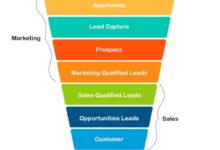
Not all leads are created equal. Understanding the different types helps marketers and sales teams prioritize efforts. The leads meaning evolves depending on where a prospect stands in the buyer’s journey.
Marketing Qualified Leads (MQLs)
Marketing Qualified Leads (MQLs) are contacts who have engaged with your marketing content and meet specific criteria set by your team. For example, someone who downloads an ebook, attends a webinar, or visits pricing pages multiple times.
- MQLs are nurtured through email campaigns and targeted content.
- They are not yet ready to buy but show strong interest.
- Criteria for MQLs vary by industry and business model.
As explained by HubSpot, MQLs are “leads more likely to become customers compared to the average lead.”
leads meaning – Leads meaning menjadi aspek penting yang dibahas di sini.
Sales Qualified Leads (SQLs)
Sales Qualified Leads (SQLs) are MQLs who have been vetted by the sales team and deemed ready for direct outreach. These leads have expressed intent to purchase, asked for a demo, or requested a quote.
- SQLs are passed from marketing to sales for follow-up.
- They often involve direct conversations or product trials.
- Conversion rates for SQLs are significantly higher than MQLs.
“An SQL is a lead that sales agrees is worth pursuing.” — Salesforce Blog
Product Qualified Leads (PQLs)
Product Qualified Leads (PQLs) are users who have experienced your product firsthand—often through a free trial or freemium model—and shown behaviors indicating they’re ready to upgrade.
- PQLs are common in SaaS (Software as a Service) companies.
- Behavioral triggers include feature usage, login frequency, or completing onboarding.
- They require less persuasion because they’ve already seen value.
Companies like Slack and Dropbox use PQL models to scale conversions efficiently. Learn more about PQLs at Paddle.
How Leads Are Generated: Key Channels
Generating leads is a strategic process that involves multiple channels. Each channel contributes to the overall leads meaning by capturing different types of prospects at various stages of awareness.
Content Marketing and SEO
One of the most effective ways to generate high-intent leads is through content marketing. By creating valuable blog posts, guides, and videos optimized for search engines, businesses attract organic traffic that converts into leads.
- E-books, whitepapers, and checklists are common lead magnets.
- SEO-driven content builds trust and authority over time.
- Long-tail keywords often attract more qualified leads.
For example, a blog titled “How to Choose the Best CRM for Small Business” can capture leads searching for solutions. According to Backlinko, organic search drives 53% of all website traffic.
Social Media Lead Generation
Social platforms like LinkedIn, Facebook, and Instagram offer powerful tools for lead capture. From lead ads to direct messaging, social media allows businesses to engage prospects in real time.
leads meaning – Leads meaning menjadi aspek penting yang dibahas di sini.
- LinkedIn is ideal for B2B lead generation.
- Facebook Lead Ads allow users to submit info without leaving the platform.
- Instagram stories with swipe-up links drive engagement.
Using tools like Meta’s Lead Ads, companies can collect thousands of leads monthly with minimal friction. Read more at Facebook Business Help Center.
Paid Advertising (PPC and Retargeting)
Pay-per-click (PPC) campaigns on Google Ads or Microsoft Advertising deliver instant visibility and lead flow. When combined with retargeting, these efforts dramatically increase conversion chances.
- Google Search Ads target high-intent keywords.
- Retargeting ads follow users who visited your site but didn’t convert.
- Landing pages must be optimized for lead capture.
“PPC can generate leads 3x faster than organic methods.” — WordStream Research
For best practices, visit WordStream’s PPC Guide.
The Lead Qualification Process
Once leads are generated, the next step is qualification. This process ensures that only the most promising prospects move forward in the sales funnel. The leads meaning becomes actionable when leads are scored and segmented.
BANT Framework: Budget, Authority, Need, Timing
BANT is a classic sales qualification model developed by IBM. It helps sales teams assess whether a lead is ready to buy.
- Budget: Does the lead have the financial resources?
- Authority: Is the contact a decision-maker?
- Need: Do they have a problem your product solves?
- Timing: Are they looking to buy soon?
While BANT has been criticized for being too rigid, it remains a foundational tool. Modern variations include ANUM (Authority, Need, Urgency, Money) and CHAMP (Challenges, Authority, Money, Prioritization).
Lead Scoring Models
Lead scoring assigns numerical values to leads based on their behavior and profile. High scores indicate higher readiness to buy.
leads meaning – Leads meaning menjadi aspek penting yang dibahas di sini.
- Demographic data (job title, company size) contributes to profile scoring.
- Behavioral data (email opens, page visits) affects engagement scoring.
- Automation tools like Marketo or HubSpot can manage scoring dynamically.
For instance, a lead who downloads a pricing sheet and visits the contact page might score 85/100, triggering a sales alert.
Automated Lead Nurturing
Not all leads are ready to buy immediately. Automated nurturing keeps them engaged through personalized email sequences, targeted ads, and dynamic content.
- Drip campaigns deliver content based on user behavior.
- Workflows can trigger actions like sending a discount offer after a cart abandonment.
- Nurturing increases conversion rates by up to 50%, according to Marketo.
“Nurtured leads make 47% larger purchases than non-nurtured leads.” — Annuitas Group
Common Challenges in Lead Management
Even with a solid understanding of leads meaning, businesses face obstacles in converting leads effectively. Recognizing these challenges is the first step toward solving them.
Poor Lead Quality
One of the biggest issues is generating too many low-quality leads. These are contacts with little intent or fit, wasting sales team time.
- Causes include vague targeting, weak lead magnets, or misaligned KPIs.
- Solution: Refine buyer personas and tighten qualification criteria.
- Use progressive profiling to gather better data over time.
According to Salesforce, 57% of marketers say poor lead quality is their top challenge.
Lead Follow-Up Delays
Speed matters. Research shows that leads contacted within one minute are 391% more likely to convert.
- Delays often result from manual processes or poor CRM integration.
- Solution: Implement automated alerts and instant routing.
- Use chatbots or AI assistants for immediate engagement.
A study by InsideSales.com found that 35–50% of sales go to the vendor that responds first.
leads meaning – Leads meaning menjadi aspek penting yang dibahas di sini.
Data Silos and Lack of Alignment
When marketing and sales teams don’t share data or goals, leads fall through the cracks.
- Sales may reject leads they see as unqualified.
- Marketing may feel their efforts are undervalued.
- Solution: Establish Service Level Agreements (SLAs) between teams.
“Companies with strong sales and marketing alignment achieve 36% higher customer retention.” — HubSpot
Measuring Lead Performance: Key Metrics
To optimize lead strategies, businesses must track performance. The leads meaning becomes measurable through key indicators that reflect efficiency and ROI.
Lead Conversion Rate
This metric shows the percentage of leads that become customers. It’s calculated by dividing the number of customers by the total number of leads.
- A high conversion rate indicates effective targeting and nurturing.
- Benchmarks vary by industry: SaaS averages 5–10%, e-commerce 1–3%.
- Improvement tactics include better segmentation and personalized outreach.
For industry benchmarks, visit Campaign Monitor.
Cost Per Lead (CPL)
CPL measures how much you spend to acquire one lead. It’s crucial for evaluating campaign efficiency.
- Formula: Total Campaign Spend ÷ Number of Leads Generated.
- Lower CPL doesn’t always mean better—quality matters.
- Optimize by improving ad relevance and landing page experience.
“The average cost per lead across industries is $198.” — WordStream
Customer Acquisition Cost (CAC)
CAC goes beyond CPL by including all costs to convert a lead into a paying customer, including sales salaries and tools.
- Formula: Total Sales & Marketing Expenses ÷ Number of New Customers.
- Compare CAC with Customer Lifetime Value (CLV) to assess profitability.
- Aim for a CLV:CAC ratio of at least 3:1.
Learn more at Forbes Finance Council.
leads meaning – Leads meaning menjadi aspek penting yang dibahas di sini.
Future Trends in Lead Generation
The concept of leads meaning continues to evolve with technology and consumer behavior. Staying ahead requires awareness of emerging trends.
AI-Powered Lead Scoring and Predictive Analytics
Artificial Intelligence is transforming how leads are identified and prioritized. Machine learning models analyze vast datasets to predict which leads are most likely to convert.
- Tools like Salesforce Einstein and HubSpot AI offer predictive lead scoring.
- AI reduces human bias and improves accuracy.
- Real-time insights enable faster, smarter decisions.
According to Gartner, AI will be a top-five spending category in customer experience by 2025.
Conversational Marketing and Chatbots
Conversational marketing uses real-time messaging to engage visitors and capture leads instantly.
- Chatbots qualify leads 24/7 without human intervention.
- Live chat increases conversion rates by up to 20%.
- Platforms like Drift and Intercom lead this space.
“79% of companies using chatbots report significant improvements in lead generation.” — Drift
Privacy-First Lead Generation
With increasing data regulations (GDPR, CCPA), businesses must adapt to privacy-first strategies.
- Zero-party data (information willingly shared) is becoming crucial.
- Transparency in data usage builds trust.
- Permission-based marketing will dominate the future.
As ICO emphasizes, consent must be informed, specific, and freely given.
What is the basic leads meaning?
leads meaning – Leads meaning menjadi aspek penting yang dibahas di sini.
The basic leads meaning refers to individuals or organizations that have shown interest in a product or service by providing contact information or engaging with content. They are potential customers at the early stage of the buying journey.
What’s the difference between MQL and SQL?
A Marketing Qualified Lead (MQL) has engaged with marketing content and meets predefined criteria but isn’t ready to buy. A Sales Qualified Lead (SQL) has been reviewed by the sales team and is considered ready for direct sales outreach.
How can I improve lead quality?
Improve lead quality by refining buyer personas, using lead scoring, aligning sales and marketing teams, and offering high-value lead magnets that attract the right audience.
What is a good lead conversion rate?
A good lead conversion rate varies by industry, but generally, 5–10% is considered strong for B2B, while e-commerce may see 1–3%. Continuously optimizing your funnel can improve these rates.
leads meaning – Leads meaning menjadi aspek penting yang dibahas di sini.
Why is lead follow-up speed important?
Speed of follow-up is critical because leads contacted within one minute are up to 391% more likely to convert. Delayed responses significantly reduce the chances of engagement and sale.
Understanding the leads meaning is essential for any business aiming to grow sustainably. From defining what a lead is to mastering qualification, generation, and nurturing, every step impacts your bottom line. As technology evolves, so do the strategies for capturing and converting leads. By focusing on quality, speed, and alignment between teams, businesses can turn prospects into loyal customers. The future of lead generation lies in AI, conversational marketing, and privacy-conscious practices—staying ahead means adapting today.
Further Reading:
