Want to dominate the digital space? Mastering leads online is your golden ticket. In today’s hyper-connected world, generating high-quality leads isn’t just helpful—it’s essential for survival and growth. Let’s dive into the strategies that actually work.


Understanding Leads Online: What They Are and Why They Matter

Before you can generate leads online, you need to understand what they are and why they’re the lifeblood of any digital marketing strategy. A ‘lead’ is any individual or business that shows interest in your product or service. This interest can come in many forms—filling out a contact form, downloading a guide, subscribing to a newsletter, or requesting a demo. These actions signal intent, which is far more valuable than passive web traffic.
Defining a Lead in the Digital Context
In the online world, a lead is more than just a name and email. It’s a potential customer who has taken a deliberate step toward engaging with your brand. Unlike cold outreach, where you initiate contact, leads online are generated through inbound marketing—people come to you because they’re searching for solutions you offer.
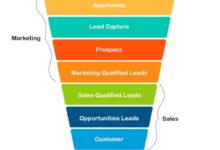
For example, someone searching for ‘best CRM for small businesses’ and landing on your blog post is a potential lead. If they then download your free comparison guide, they become a marketing-qualified lead (MQL). This distinction is crucial because not all website visitors are leads—only those who take a specific action.
The Evolution of Lead Generation
Lead generation has evolved dramatically over the past two decades. In the early 2000s, businesses relied heavily on cold calling, trade shows, and print ads. Fast forward to today, and over 70% of marketers say inbound strategies like content marketing and SEO generate higher-quality leads than outbound methods.
The shift is driven by consumer behavior. People now research products extensively before making a purchase. According to Google’s ZMOT study, the average buyer consults 10.4 sources before deciding. This means your digital presence must be informative, trustworthy, and easy to find.
Why Leads Online Are More Valuable Than Ever
Online leads are not only easier to track but also more scalable. With tools like Google Analytics, CRM systems, and marketing automation, you can measure every step of the customer journey—from first click to final sale.
- Cost-effective: Digital lead generation often costs less than traditional methods.
- Scalable: You can reach thousands of potential customers simultaneously.
- Measurable: Every campaign can be tracked, optimized, and improved.
“The best leads aren’t found—they’re attracted.” — Rand Fishkin, Founder of SparkToro
Top 7 Strategies to Generate Leads Online
Generating leads online doesn’t require magic—it requires strategy. Below are seven proven methods that consistently deliver results across industries. These aren’t theoretical ideas; they’re tactics used by top-performing companies to fill their sales pipelines.
1. Optimize Your Website for Lead Conversion
Your website is your digital storefront. If it’s not designed to convert visitors into leads online, you’re leaving money on the table. Start by auditing your current site: Is your value proposition clear? Are your calls-to-action (CTAs) visible? Is your contact form easy to find?
Key optimization tips:
- Use clear, benefit-driven headlines.
- Place CTAs above the fold and on every page.
- Minimize form fields—only ask for essential information.
- Ensure mobile responsiveness—over 60% of web traffic comes from mobile devices.
For example, Unbounce increased conversions by 30% simply by reducing form fields from 11 to 4.
2. Create High-Value Lead Magnets
A lead magnet is a free resource offered in exchange for contact information. The key is to make it so valuable that visitors can’t resist giving up their email. Common lead magnets include:
- E-books and guides
- Checklists and templates
- Free trials or demos
- Webinars and training videos
The most effective lead magnets solve a specific problem. For instance, a SaaS company targeting HR managers might offer a ‘Free Employee Onboarding Checklist.’ This not only attracts the right audience but also positions the brand as an authority.
Pro tip: Use tools like Canva or Designrr to create professional-looking PDFs without hiring a designer.
3. Leverage Content Marketing and SEO
Content is the engine of lead generation. By creating blog posts, videos, and infographics that answer your audience’s questions, you attract organic traffic and build trust over time. But content alone isn’t enough—it must be optimized for search engines to be found.
Focus on long-tail keywords like ‘how to generate leads online for small business’—these have lower competition and higher conversion rates. Use tools like Ahrefs or SEMrush to identify keyword opportunities.
Once published, promote your content through email newsletters, social media, and industry forums. The goal is to turn one piece of content into multiple touchpoints.
4. Run Targeted Paid Advertising Campaigns
While organic growth is ideal, paid ads can accelerate your leads online strategy. Platforms like Google Ads and Facebook Ads allow you to target users based on demographics, interests, and online behavior.
For example, a B2B company can use LinkedIn Ads to target decision-makers in specific industries. A local service business can use Google Local Service Ads to appear at the top of search results.
Best practices:
- Start with a small budget to test ad creatives and audiences.
- Use A/B testing to optimize headlines, images, and CTAs.
- Retarget visitors who didn’t convert with follow-up ads.
According to WordStream, the average click-through rate (CTR) for Google Search Ads is 3.17%, making it one of the most effective channels for lead generation.
5. Build an Email List with Strategic Opt-Ins
Email remains one of the highest ROI channels for nurturing leads online. But you can’t just ask for an email—you need a compelling reason.
Strategic opt-ins include:
- Exit-intent popups: Offer a discount or free guide when a user is about to leave.
- Content upgrades: Provide a bonus resource related to the blog post they’re reading.
- Scroll-triggered forms: Appear after the user has read 50-70% of the content.
Tools like ConvertBox or OptinMonster make it easy to set up these opt-ins without coding.
Once you have emails, segment your list based on behavior and interests. A user who downloaded a pricing guide is likely further along the buyer’s journey than someone who just read a blog post.
6. Utilize Social Media to Engage and Convert
Social media isn’t just for brand awareness—it’s a powerful tool for generating leads online. Platforms like LinkedIn, Facebook, and Instagram offer lead gen forms that make it easy for users to submit their information without leaving the app.
For example, LinkedIn Lead Gen Forms allow users to fill out pre-filled forms using their profile data, increasing conversion rates by up to 200% compared to traditional landing pages.
To succeed:
- Post consistently and engage with comments.
- Share user-generated content and testimonials.
- Run contests and giveaways that require email entry.
Remember, social media is a two-way street. Build relationships, not just follower counts.
7. Implement Marketing Automation and CRM Integration
Manual follow-ups don’t scale. To handle hundreds or thousands of leads online, you need automation. Marketing automation tools like HubSpot, Marketo, or ActiveCampaign allow you to send personalized emails, score leads, and track engagement automatically.
When integrated with a CRM like Salesforce or Zoho, you create a seamless pipeline from lead capture to sales handoff.
Example workflow:
- User downloads a guide → tagged as MQL.
- Receives a 3-email nurture sequence over 7 days.
- If they click a pricing link, they’re marked as sales-ready.
- Sales team gets an alert to follow up.
This level of automation increases efficiency and ensures no lead falls through the cracks.
Measuring the Success of Your Leads Online Campaigns
Generating leads online is only half the battle. You also need to measure performance to know what’s working and what’s not. Without data, you’re flying blind.
Key Metrics to Track
To evaluate your lead generation efforts, focus on these core metrics:
- Conversion Rate: Percentage of visitors who become leads. Industry average: 2-5%.
- Cost Per Lead (CPL): How much you spend to acquire one lead. Lower is better.
- Lead Quality: Are your leads sales-ready? Track how many convert to customers.
- Customer Acquisition Cost (CAC): Total cost to acquire a paying customer.
- Return on Ad Spend (ROAS): Revenue generated per dollar spent on ads.
Use Google Analytics, UTM parameters, and CRM reports to gather this data.
Tools for Tracking and Analytics
Invest in tools that provide visibility into your funnel:
- Google Analytics: Track traffic sources and user behavior.
- Hotjar: See how users interact with your site via heatmaps and session recordings.
- Crazy Egg: Visualize clicks and scroll depth.
- CRM Dashboards: Monitor lead status and sales pipeline.
These tools help you identify bottlenecks—like a high bounce rate on a landing page—and fix them quickly.
How to Optimize Based on Data
Data without action is useless. Use insights to refine your strategy:
- If your blog traffic is high but conversions are low, improve your CTAs or add more lead magnets.
- If paid ads have a high CPL, test new audiences or ad creatives.
- If email open rates are dropping, segment your list or revise your subject lines.
Continuous optimization is the key to long-term success in generating leads online.
Common Mistakes to Avoid When Generating Leads Online
Even experienced marketers make mistakes. Here are the most common pitfalls and how to avoid them.
1. Targeting the Wrong Audience
You can have the best offer in the world, but if it’s not reaching the right people, it won’t convert. Avoid broad targeting. Instead, create detailed buyer personas based on real data—demographics, pain points, goals, and online behavior.
Ask: Who benefits most from my product? What keeps them up at night? Where do they spend time online?
2. Offering Low-Value Lead Magnets
Not all lead magnets are created equal. A generic ’10 Tips’ guide won’t cut it. Your offer must be so valuable that it feels like a no-brainer to exchange contact info.
Solution: Survey your existing customers to find out what resources helped them most. Turn those into lead magnets.
3. Ignoring Lead Nurturing
Only 2% of leads convert on first contact. The rest need nurturing. If you’re not following up with educational content, you’re wasting opportunities.
Set up automated email sequences that provide value over time—tips, case studies, product demos—without being pushy.
The Role of Landing Pages in Capturing Leads Online
Landing pages are dedicated web pages designed for one purpose: converting visitors into leads online. Unlike regular website pages, they have no navigation, minimal distractions, and a single, clear CTA.
Elements of a High-Converting Landing Page
To maximize conversions, every landing page should include:
- A compelling headline that states the benefit.
- Supporting subheadline or bullet points.
- Visuals (images, videos, or infographics).
- A simple, mobile-friendly form.
- Trust signals (testimonials, logos, security badges).
Example: A fitness coach offering a ‘Free 7-Day Meal Plan’ uses a video testimonial, a clean form, and a bold CTA: ‘Get My Free Plan Now.’
Best Practices for Design and Copy
Design and copy work together to drive action:
- Use contrasting colors for your CTA button (e.g., orange on white).
- Write copy in the visitor’s voice—use ‘you’ and ‘your’ frequently.
- Focus on benefits, not features. Instead of ‘Our software has AI,’ say ‘Save 10 hours a week with AI-powered automation.’
- Keep paragraphs short and scannable.
Tools like Instapage and Carrd make it easy to build high-converting landing pages without coding.
A/B Testing for Continuous Improvement
Never assume you’ve found the perfect landing page. Always test variations. A/B testing involves showing two versions of a page to different users and measuring which performs better.
Test elements like:
- Headlines
- CTA text and color
- Form length
- Images vs. videos
Even small changes can have big impacts. One company increased conversions by 90% just by changing their CTA from ‘Submit’ to ‘Get Instant Access.’
How to Nurture Leads Online into Paying Customers
Generating leads online is just the beginning. The real challenge is turning those leads into customers. This is where lead nurturing comes in.
The Buyer’s Journey: Awareness, Consideration, Decision
Leads move through three stages:
- Awareness: They realize they have a problem.
- Consideration: They’re researching solutions.
- Decision: They’re ready to buy.
Your content should align with each stage. For example, blog posts and social media educate in the awareness stage, while case studies and demos support the decision stage.
Email Nurturing Sequences That Work
Email is the most effective channel for nurturing. A well-crafted sequence can guide leads from interest to purchase.
Example 5-day nurture sequence:
- Day 1: Welcome email + deliver lead magnet.
- Day 2: Share a relevant blog post or video.
- Day 3: Send a customer success story.
- Day 4: Offer a free consultation or demo.
- Day 5: Provide a limited-time discount or bonus.
Use personalization tokens (like {{first_name}}) to increase engagement.
Using Retargeting Ads to Re-Engage Cold Leads
Not all leads convert immediately. Retargeting ads follow users across the web, reminding them of your offer.
Platforms like Facebook Pixel and Google Ads Remarketing let you show ads to people who visited your site but didn’t convert. These ads can highlight social proof, special offers, or new content to re-engage interest.
Studies show retargeted visitors are 70% more likely to convert than new visitors.
Future Trends in Leads Online Generation
The digital landscape is always changing. Staying ahead means anticipating trends before they become mainstream.
The Rise of AI and Predictive Lead Scoring
Artificial intelligence is transforming lead generation. AI tools can analyze user behavior, predict which leads are most likely to convert, and even personalize content in real time.
Predictive lead scoring uses machine learning to assign scores based on engagement, demographics, and past behavior. This helps sales teams prioritize high-value leads.
Voice Search and Visual Search Optimization
With the rise of smart speakers and image-based search (like Google Lens), optimizing for voice and visual queries is becoming critical.
For voice search, focus on natural language and question-based keywords (e.g., ‘Where can I find leads online tools?’). For visual search, use descriptive file names and alt text for images.
Privacy-First Lead Generation
With increasing regulations like GDPR and CCPA, users are more concerned about data privacy. The future of leads online will favor transparency and consent.
Best practices:
- Be clear about how you’ll use their data.
- Offer value in exchange for information.
- Allow easy opt-out options.
Trust will be the new currency in lead generation.
What are leads online?
Leads online are individuals or businesses who show interest in your product or service through digital channels, such as filling out a form, downloading a guide, or subscribing to a newsletter. They are potential customers who have taken a measurable action indicating intent to buy.
How can I generate more leads online?
You can generate more leads online by optimizing your website, creating high-value lead magnets, using content marketing and SEO, running targeted ads, building an email list, leveraging social media, and automating follow-ups. Consistency and testing are key.
What is the best tool for capturing leads online?
Popular tools include HubSpot, Leadpages, Unbounce, and OptinMonster. The best choice depends on your budget, technical skills, and goals. For beginners, Carrd or Mailchimp offer simple, affordable options.
How do I measure the quality of my leads online?
Track metrics like conversion rate to customer, time to close, and customer lifetime value. Use CRM systems to score leads based on engagement, demographics, and behavior. High-quality leads engage with your content and progress through the sales funnel.
Are paid ads worth it for generating leads online?
Yes, when done correctly. Paid ads can deliver fast, scalable results. Focus on targeting, compelling creatives, and strong landing pages. Always track ROI to ensure profitability.
Generating leads online is both a science and an art. It requires strategy, creativity, and constant optimization. From understanding what a lead truly is to implementing advanced automation and AI, the path to success is clear—but not easy. The most effective marketers combine proven tactics with data-driven decisions. By focusing on value, relevance, and trust, you can build a sustainable pipeline of high-quality leads that fuel long-term growth. Start with one strategy, master it, then expand. The digital world rewards those who act with purpose.
Further Reading:
