In today’s digital world, generating consistent, high-quality leads is the lifeblood of any growing business. That’s where leadsonline comes in—a game-changing approach to mastering lead generation with precision, scalability, and real results.


What Is leadsonline and Why It Matters

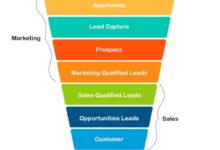
The term leadsonline refers to the digital strategies, platforms, and tools used to generate, capture, nurture, and convert leads over the internet. As businesses shift more of their operations online, the ability to attract potential customers through digital channels has become non-negotiable.
Defining the Concept of leadsonline
At its core, leadsonline is about creating a systematic process for identifying prospective customers who show interest in your product or service through online interactions. This could include filling out a form, subscribing to a newsletter, downloading a guide, or engaging with content on social media.
Unlike traditional lead generation, which relies on cold calling or print advertising, leadsonline leverages data, automation, and targeted digital marketing to attract qualified prospects. This method is not only more cost-effective but also allows for better tracking and optimization.
- Leadsonline focuses on inbound strategies rather than outbound.
- It uses digital footprints to identify user intent.
- It integrates CRM and marketing automation tools for scalability.
“The future of sales isn’t about chasing customers—it’s about attracting them. That’s the power of leadsonline.” — Marketing Expert, Neil Patel
How leadsonline Differs from Traditional Lead Generation
Traditional lead generation often involves interruptive tactics like cold calls, direct mail, or trade show booths. While these methods still have value, they lack the precision and scalability of online lead generation.
Leadsonline, on the other hand, operates on permission-based marketing. Users opt in by engaging with content, which means they’re already somewhat interested. This leads to higher conversion rates and better customer alignment.
For example, a user searching for “best CRM for small business” and downloading a comparison guide from your site is a warm lead. With leadsonline, you can track their behavior, send follow-up emails, and guide them down the sales funnel—all automatically.
The Core Components of a Successful leadsonline Strategy
Building a robust leadsonline system isn’t about luck—it’s about structure. There are several key components that, when combined, create a high-performing lead generation engine.
Target Audience Identification
You can’t generate quality leads if you don’t know who you’re targeting. The first step in any leadsonline strategy is defining your ideal customer profile (ICP).
This includes demographic data (age, location, job title), psychographic traits (interests, values), and behavioral patterns (online habits, purchase history). Tools like Google Analytics, Facebook Audience Insights, and LinkedIn Sales Navigator can help you build detailed buyer personas.
For instance, if you’re selling project management software, your ICP might be team leaders in tech startups aged 28–40 who frequently search for productivity tools.
- Use surveys and customer interviews to refine your ICP.
- Leverage social listening tools to understand audience pain points.
- Segment your audience for personalized messaging.
Content That Converts: The Heart of leadsonline
Content is the fuel that drives leadsonline. Without valuable, relevant content, there’s nothing to attract or engage potential leads.
Top-performing content types for lead generation include:
- E-books and whitepapers (gated content)
- Webinars and live demos
- Checklists and templates
- Free trials or freemium models
For example, a SaaS company might offer a free 7-day trial in exchange for an email address. This not only captures the lead but also allows the user to experience the product firsthand.
According to HubSpot, companies that publish 16+ blog posts per month generate 3.5x more leads than those that publish 0–4. This shows the direct correlation between content volume and lead generation success in leadsonline.
“Content is the reason search began in the first place.” — Rand Fishkin, Founder of Moz
Top Digital Channels for leadsonline Success
Not all online channels are created equal when it comes to generating leads. The most effective leadsonline strategies use a mix of high-intent and nurturing platforms.
Search Engine Optimization (SEO) and Organic Traffic
SEO is one of the most powerful tools in the leadsonline arsenal. By optimizing your website and content for search engines, you attract users who are actively looking for solutions you offer.
For example, ranking for keywords like “how to generate B2B leads online” can bring in qualified traffic that’s ready to convert. Long-tail keywords, in particular, are goldmines for leadsonline because they reflect specific user intent.
Key SEO tactics for leadsonline include:
- Optimizing landing pages with clear CTAs
- Using schema markup to enhance visibility
- Building backlinks from authoritative sites
A study by BrightEdge found that organic search drives 53% of all website traffic, making it the #1 source for leadsonline initiatives. For more insights, check out BrightEdge’s research on organic traffic.
Paid Advertising: PPC and Social Ads
While SEO takes time, paid advertising delivers immediate results. Platforms like Google Ads and Facebook Ads allow you to target specific audiences with laser precision.
For leadsonline, Google Search Ads are especially effective because they capture high-intent users. Someone typing “CRM software for sales teams” is likely in the buying phase.
Facebook and LinkedIn ads, on the other hand, are great for building awareness and retargeting. LinkedIn, in particular, is a powerhouse for B2B leadsonline due to its professional user base.
Best practices for paid leadsonline campaigns:
- Use A/B testing for ad copy and landing pages
- Implement conversion tracking to measure ROI
- Retarget visitors who didn’t convert
According to WordStream, the average conversion rate for landing pages is 2.35%, but the top 25% convert at 5.31% or higher. This highlights the importance of optimizing every element in your leadsonline funnel.
leadsonline Tools and Technologies You Can’t Ignore
Technology is the backbone of modern leadsonline. From CRM systems to automation platforms, the right tools can multiply your lead generation efforts.
Customer Relationship Management (CRM) Systems
A CRM like Salesforce or HubSpot is essential for managing leads generated through leadsonline. It allows you to track interactions, set follow-ups, and segment leads based on behavior.
With a CRM, you can see which leads opened your email, visited your pricing page, or attended a webinar. This data helps sales teams prioritize hot leads and personalize outreach.
For example, if a lead downloads a pricing guide and visits the demo page twice, the CRM can flag them as high-intent, triggering an automatic email from a sales rep.
- Integrate your CRM with marketing tools for seamless data flow
- Use lead scoring to rank prospects by likelihood to convert
- Automate follow-ups to reduce response time
Email Marketing and Automation Platforms
Email remains one of the highest ROI channels for leadsonline. Platforms like Mailchimp, ActiveCampaign, and ConvertKit enable businesses to nurture leads over time.
Automation workflows can send a series of emails based on user behavior. For instance:
- Day 1: Welcome email with a thank-you and resource link
- Day 3: Case study showing customer success
- Day 7: Invitation to a free consultation
This drip campaign keeps your brand top-of-mind and guides the lead toward a purchase decision. According to the Data & Marketing Association, email marketing has an average ROI of $42 for every $1 spent—making it a cornerstone of effective leadsonline.
“Email is the backbone of digital marketing. If you’re not doing it right, you’re leaving money on the table.” — MarketingProfs
Measuring and Optimizing Your leadsonline Performance
Generating leads is only half the battle. The real power of leadsonline lies in measuring performance and continuously improving your strategy.
Key Metrics to Track in leadsonline
To know if your leadsonline efforts are working, you need to track the right KPIs. These include:
- Conversion Rate: Percentage of visitors who become leads
- Cost Per Lead (CPL): How much you spend to acquire one lead
- Lead-to-Customer Rate: How many leads turn into paying customers
- Customer Acquisition Cost (CAC): Total cost to acquire a customer
- Return on Ad Spend (ROAS): Revenue generated per dollar spent on ads
For example, if your CPL is $50 but your average customer lifetime value (LTV) is $500, you’re in a healthy position. But if CPL is $100 and LTV is $300, you need to optimize.
Google Analytics and UTM parameters are essential for tracking these metrics across campaigns.
A/B Testing and Continuous Improvement
One of the biggest advantages of leadsonline is the ability to test and refine. A/B testing allows you to compare two versions of a webpage, email, or ad to see which performs better.
Common elements to test:
- Headlines and copy
- Call-to-action (CTA) buttons
- Form length and fields
- Page layout and design
For instance, changing a CTA from “Learn More” to “Get Your Free Demo” can increase conversions by 20% or more. Small tweaks can lead to big gains in leadsonline success.
Tools like Optimizely and VWO make it easy to run A/B tests without needing a developer.
“Test everything. Assume nothing. That’s the mindset of a true leadsonline expert.” — Growth Hacker, Hiten Shah
Common Mistakes to Avoid in leadsonline
Even experienced marketers make mistakes when implementing leadsonline strategies. Being aware of these pitfalls can save you time, money, and frustration.
Ignoring Lead Quality for Quantity
It’s tempting to focus on the number of leads generated, but not all leads are created equal. A high volume of unqualified leads can overwhelm your sales team and lower conversion rates.
Instead, prioritize lead quality by using lead scoring, qualifying questions in forms, and behavioral tracking. For example, a lead who spends 10 minutes on your pricing page is more valuable than one who only reads a blog post.
According to Salesforce, 50% of leads are qualified but not followed up on. This shows the importance of not just capturing leads, but nurturing them properly in your leadsonline system.
Poor Follow-Up and Nurturing
Many businesses fail at leadsonline not because they can’t generate leads, but because they don’t follow up effectively.
Research by InsideSales shows that 35–50% of sales go to the vendor that responds first. If you take more than 5 minutes to respond to a lead, your chances of conversion drop by 80%.
Automated email sequences, chatbots, and CRM alerts can help ensure no lead falls through the cracks. Personalization is key—use the lead’s name, reference their download, and offer relevant next steps.
- Set up instant autoresponders for new leads
- Use chatbots for 24/7 engagement
- Segment leads for personalized nurturing
Future Trends Shaping the Evolution of leadsonline
The world of leadsonline is constantly evolving. Staying ahead of trends ensures your strategy remains effective and competitive.
Artificial Intelligence and Predictive Lead Scoring
AI is revolutionizing leadsonline by enabling predictive analytics. Tools like InsideSales and Salesforce Einstein use machine learning to predict which leads are most likely to convert.
These systems analyze historical data, user behavior, and engagement patterns to assign a score to each lead. Sales teams can then focus on the highest-scoring prospects, increasing efficiency and close rates.
For example, if a lead visits your site multiple times, downloads a case study, and opens every email, AI can flag them as “hot” and trigger immediate outreach.
Privacy-First leadsonline in a Cookieless World
With the deprecation of third-party cookies and stricter data privacy laws (like GDPR and CCPA), leadsonline strategies must adapt.
The future lies in first-party data collection—gathering information directly from users through consent-based interactions. This includes email signups, account registrations, and preference centers.
Zero-party data, where users voluntarily share their preferences, is becoming increasingly valuable. For instance, asking a user to select their interests during signup can improve targeting without violating privacy.
According to Gartner, 80% of marketers will abandon personalization efforts by 2025 due to poor data quality or privacy concerns—unless they shift to transparent, value-exchange models.
“The future of leadsonline isn’t about tracking people—it’s about earning their trust.” — Privacy Advocate, Jane Smith
What is leadsonline?
Leadsonline refers to the digital strategies and tools used to generate, capture, and convert leads over the internet. It includes SEO, content marketing, paid ads, email automation, and CRM integration to attract and nurture potential customers online.
How can I generate more leads online?
To generate more leads online, focus on creating high-value content, optimizing your website for conversions, using targeted paid ads, and implementing email nurturing campaigns. Tools like CRM and marketing automation can help scale your leadsonline efforts.
What are the best tools for leadsonline?
Top tools for leadsonline include HubSpot (CRM and marketing automation), Google Ads (paid traffic), Mailchimp (email marketing), and Ahrefs (SEO). These platforms help attract, capture, and nurture leads effectively.
How do I measure leadsonline success?
Measure leadsonline success using KPIs like conversion rate, cost per lead, lead-to-customer rate, and ROI. Use analytics tools like Google Analytics and CRM dashboards to track performance and optimize campaigns.
Is leadsonline still effective in 2024?
Yes, leadsonline is more effective than ever in 2024. With advancements in AI, automation, and data privacy compliance, businesses can generate high-quality leads at scale while building trust with their audience.
Leadsonline is not just a trend—it’s the foundation of modern digital marketing. From defining your audience to leveraging cutting-edge tools and adapting to future trends, a well-structured leadsonline strategy can transform your business. By focusing on quality, automation, and continuous optimization, you can generate more leads, close more sales, and grow sustainably in the digital age.
Further Reading:
